
HVAC Maintenance Services in Phoenix, AZ and Surrounding Areas
Proactive Seasonal Climate Care for Valley Properties
Extreme desert runtimes place intense mechanical and electrical strain on heating and cooling systems throughout Maricopa County. Our comprehensive seasonal tune-ups preserve cooling capacity, reduce monthly energy consumption, and identify worn parts before they trigger mid-season system breakdowns. We deliver structured preventative maintenance for residential split systems, ductless units, commercial package systems, thermostats, and duct transitions across the Greater Phoenix area.
What Our Maintenance Service Includes
Every maintenance visit follows a multi-point inspection protocol designed to optimize heat exchange, verify electrical stability, and maintain safe operating pressures.
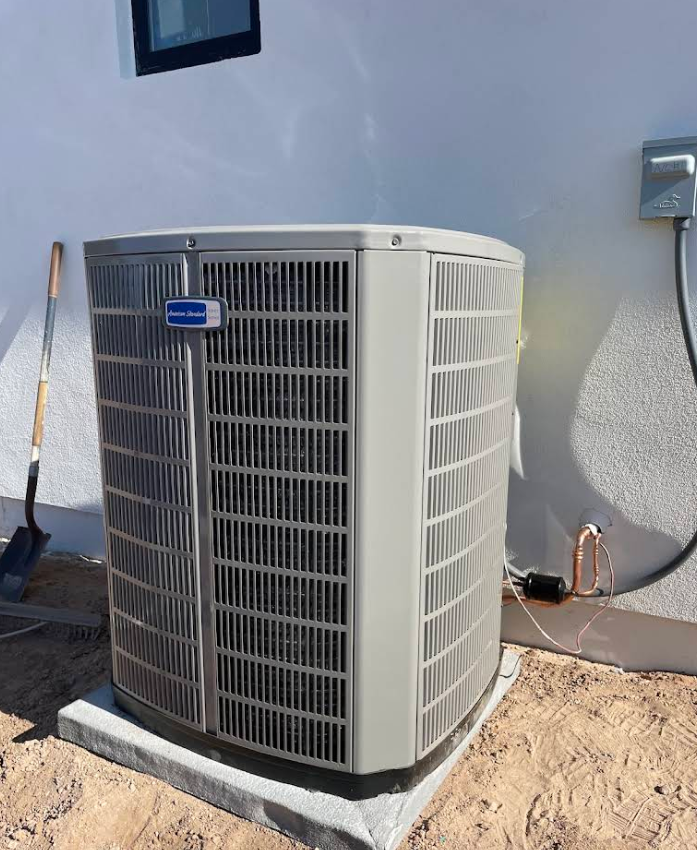
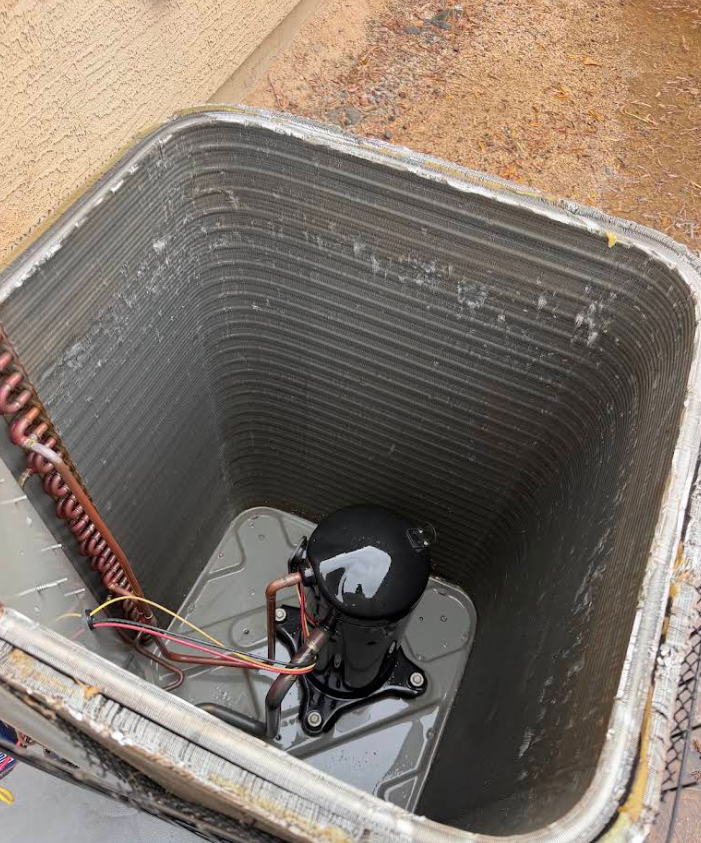
Condenser Coil Cleansing
We wash outdoor condensing coils to eliminate compacted desert dust, allowing proper heat rejection and protecting the compressor from dangerous head pressure.
Electrical Component Testing
We measure run capacitor microfarads, inspect contactor points for pitting, and verify operating amp draws on blower and condenser fan motors against factory data plates.
Refrigerant Charge Verification
We assess system operating pressures using digital manifold gauges to verify correct superheat and sub-cooling levels for peak cooling efficiency.
Airflow & Duct Pressure Checks
We measure static pressure across the air handler and check supply and return plenums to prevent airflow restrictions and frozen evaporator coils.
Condensate Drain Line Clearing
We clear primary and secondary drain pathways and test float switches to eliminate overflow risks, water damage, and system safety shutdowns.
Thermostat & Controls Calibration
We inspect control wiring, verify temperature sensor accuracy, and confirm proper staging communication between the thermostat and indoor air handler.
Our Four-Step Maintenance Workflow
Initial System Benchmarking
We inspect current system operation, verify thermostat responsiveness, and log baseline supply and return temperature splits before servicing components.
Mechanical & Electrical Servicing
We clean the outdoor coil surfaces, flush condensate pathways, tighten electrical connections, and measure motor capacitor tolerances.
Operating Pressure Calibration
We monitor running pressures under full operational load to confirm balanced refrigerant levels and optimal compressor thermal management.
Final Reporting & Diagnostics Summary
We provide a clear diagnostic overview of current equipment health, component wear levels, and efficiency benchmarks for your records.
Why Choose Lilly’s Air Conditioning
Certified Expertise
Local Business
Upfront Pricing
Emergency Care
Proven Work
Logical Diagnostics
Brand Certified
Honest Advice
Signs Your System Needs a Seasonal Tune-Up
Air blowing lukewarm or taking longer than usual to reach the thermostat setpoint.
Unusual spikes on monthly electric bills without changes in household usage.
Musty odors or burning dust smells when turning on cooling or heating cycles.
Short operational cycling where the unit turns on and off rapidly throughout the day.
Minor rattling, buzzing, or humming noises coming from the outdoor fan housing.
Sluggish airflow coming through interior ceiling supply registers.
Water pooling around the indoor air handler or condensate drain line outlet.
More than six months elapsed since the last professional multi-point inspection.
When Should You Schedule System Maintenance?
In the desert climate, cooling units accumulate thousands of operational hours between May and October. To preserve equipment warranties, minimize sudden mid-summer failures, and keep energy bills stable, air conditioning systems should receive a professional tune-up every spring. Heating and heat pump systems should be serviced every autumn to ensure safe burner and reversing valve operation before colder winter nights arrive.
Frequently Asked Questions
How often should HVAC systems be maintained in Phoenix?
Cooling and heating equipment in the desert should be professionally serviced twice per year. A spring tune-up prepares the air conditioner for severe summer heat, while a fall service ensures heat pumps and furnaces operate safely and efficiently through winter.
Will regular maintenance lower my monthly energy bills?
Yes, routine servicing directly reduces electrical consumption by keeping coils clean, lubricating motor bearings, and maintaining proper refrigerant levels. Systems running with restricted airflow or dirty coils must operate significantly longer to cool the home, driving up utility bills.
What is the difference between residential and commercial maintenance?
Residential maintenance focuses on split systems and ductless units serving single-family homes, while commercial maintenance addresses larger packaged rooftop units (RTUs), higher airflow volumes, multi-tenant zoning controls, and continuous weekday operational schedules.
Does preventative maintenance protect my manufacturer warranty?
Most major HVAC manufacturers require proof of regular annual or biannual maintenance by a licensed contractor to honor warranty claims on core components like compressors and heat exchangers. Keeping detailed service records ensures full warranty compliance.
How long does a standard HVAC tune-up visit take?
A comprehensive multi-point maintenance service for a single heating and cooling system typically takes between 45 and 90 minutes. This allows sufficient time to clean coils, measure motor electrical draws, verify refrigerant charges under load, and review the findings.
HVAC Maintenance Service Areas
Phoenix, AZ
Glendale, AZ
Peoria, AZ
Tempe, AZ
Scottsdale, AZ
Mesa, AZ
Chandler, AZ
Avondale, AZ
Goodyear, AZ
Tolleson, AZ
Laveen, AZ
Paradise Valley, AZ